How the Warning Light System Works
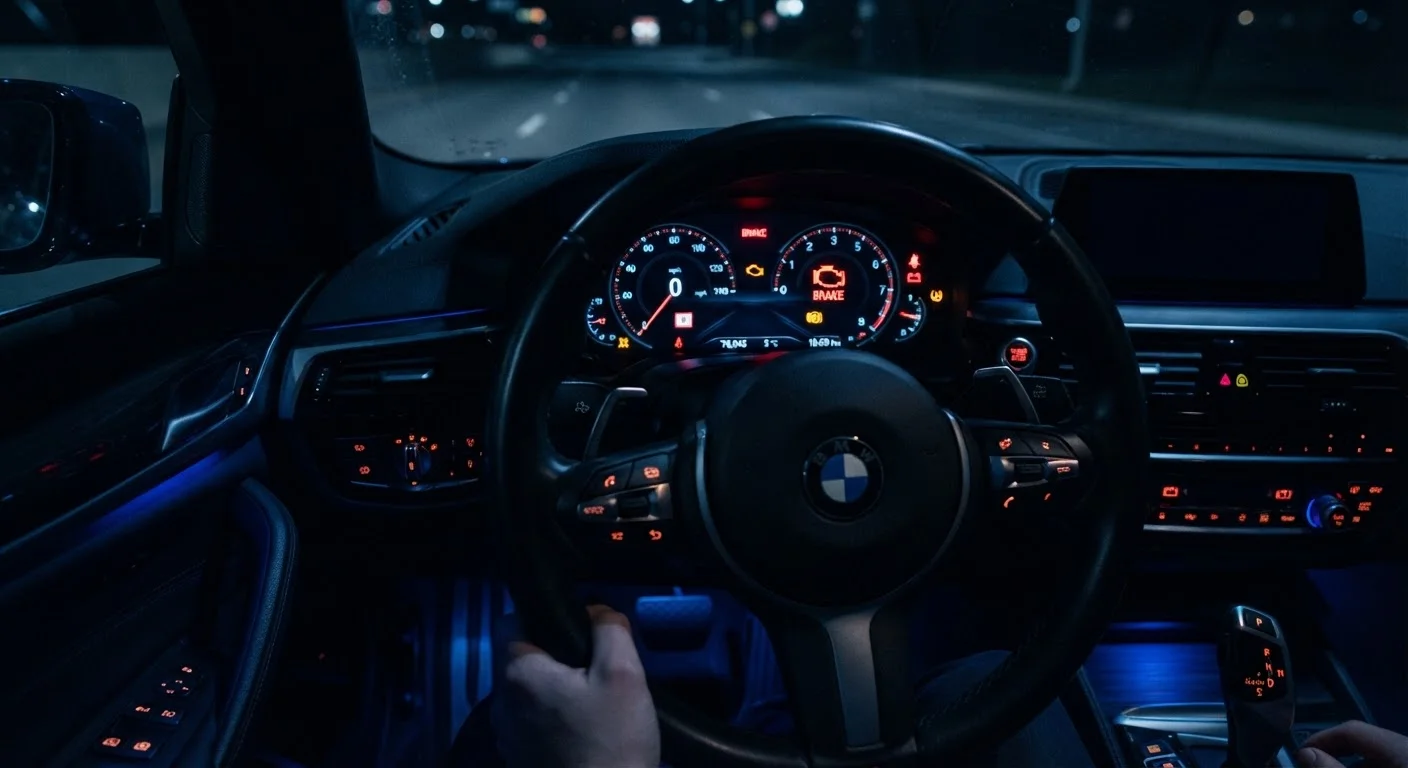
Your car's dashboard warning lights are part of an onboard diagnostics system designed to alert you when something needs attention. They're organized by color to communicate urgency at a glance:
- Red - Stop or act immediately. Continuing to drive could cause serious damage or a safety risk.
- Amber/Yellow - Caution required. The issue needs attention soon, but you're not always required to stop instantly.
- Green/Blue - Informational. A system is active, such as high beams or cruise control.
When a light comes on, resist the urge to ignore it or assume it will resolve on its own. Even an amber light, left unaddressed, can escalate into a red-level problem - and a much larger repair bill. For a broader introduction to routine upkeep, see Car Maintenance Decoded.
The Most Common Warning Lights Explained
Below is a plain-language guide to the dashboard symbols most drivers encounter. Always cross-reference your owner's manual, since icons can vary slightly by manufacturer.
Oil Pressure (Red - Oil Can Symbol)
This means oil pressure has dropped dangerously low. Pull over safely and turn off the engine as soon as it is safe to do so. Driving with low oil pressure can destroy your engine within minutes. Check the oil level with the dipstick; if it's low, add the correct oil grade specified in your manual. If the level is normal but the light stays on, the sensor or pump may be faulty - have a mechanic inspect it before driving further.
Engine Temperature (Red - Thermometer in Liquid)
Your engine is overheating. Stop driving, turn off the engine, and let it cool for at least 30 minutes before opening the hood. Never open a hot radiator cap - pressurized coolant can cause serious burns. This requires professional diagnosis before you drive again.
Battery / Charging System (Red - Battery Symbol)
The charging system isn't maintaining voltage. Your battery could fail soon. Minimize electrical use (no AC, no radio) and head directly to a mechanic or garage. Ignoring this can leave you stranded.
Check Engine (Amber - Engine Outline)
This is the most misunderstood light on the dash. It can indicate anything from a loose gas cap to a failing catalytic converter. A solid amber light usually means a non-emergency fault; a flashing amber light signals an active misfire that can damage the catalytic converter - reduce speed and seek service promptly. A mechanic can read the fault code with an OBD-II scanner to pinpoint the cause.
Tire Pressure Monitoring System - TPMS (Amber - Exclamation Mark Inside a U Shape)
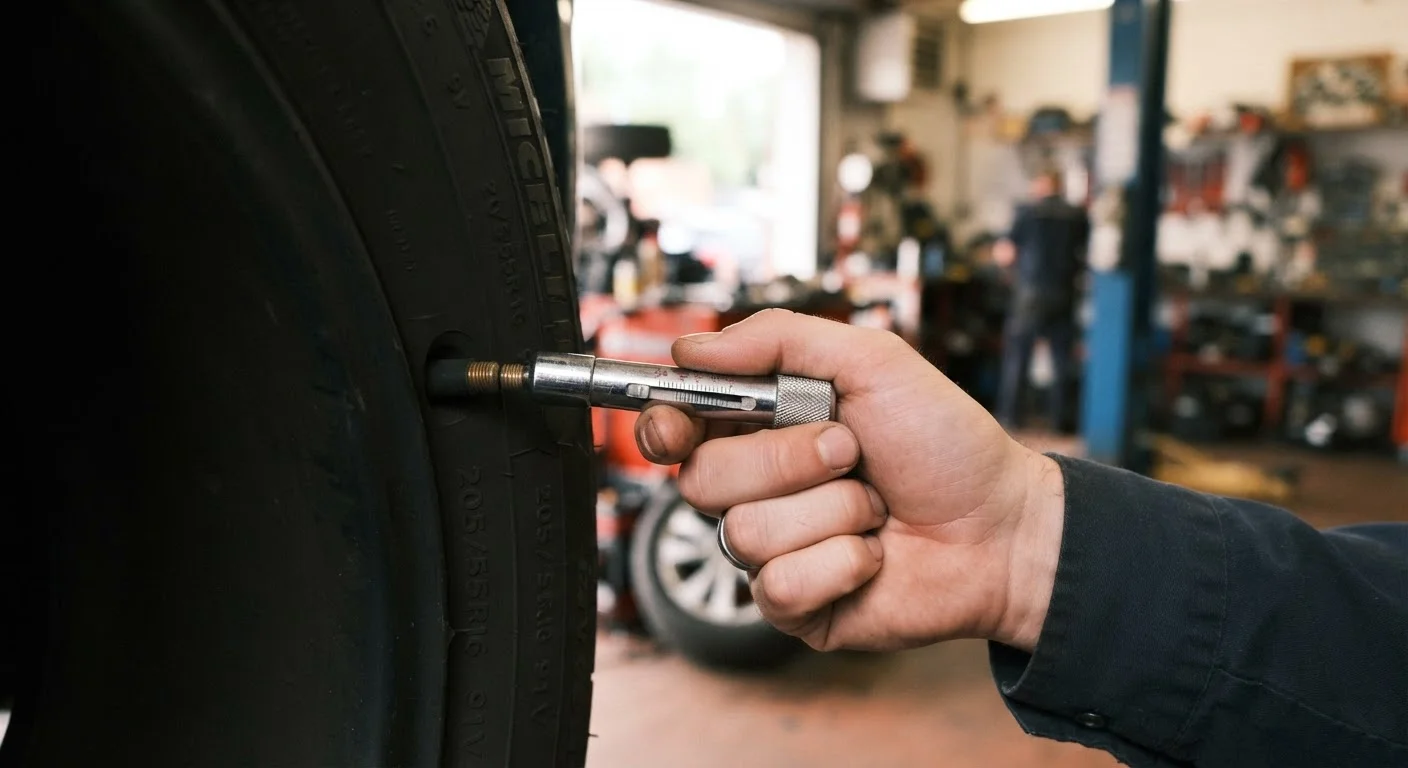
One or more tires are significantly under- or over-inflated. Incorrect tire pressure affects handling, fuel efficiency, and tire longevity. Check and adjust pressure as soon as possible. For correct inflation figures, see how to find the right PSI for your car - and note that the number on the tire sidewall is not the target pressure. Also worth reading: common tyre myths that could get you into trouble.
Brake System (Red - Exclamation Mark in Circle, or "BRAKE")
If the parking brake is not engaged, this indicates low brake fluid or a fault in the braking system. Do not drive. Have it inspected immediately - brakes are a non-negotiable safety system.
ABS Warning (Amber - "ABS" in Circle)
ABS helps prevent wheel lock-up during hard braking. When this light is on, your standard brakes still work, but ABS may not activate in an emergency stop. Get the system checked before your next long trip.
Your Owner's Manual Is the Final Word
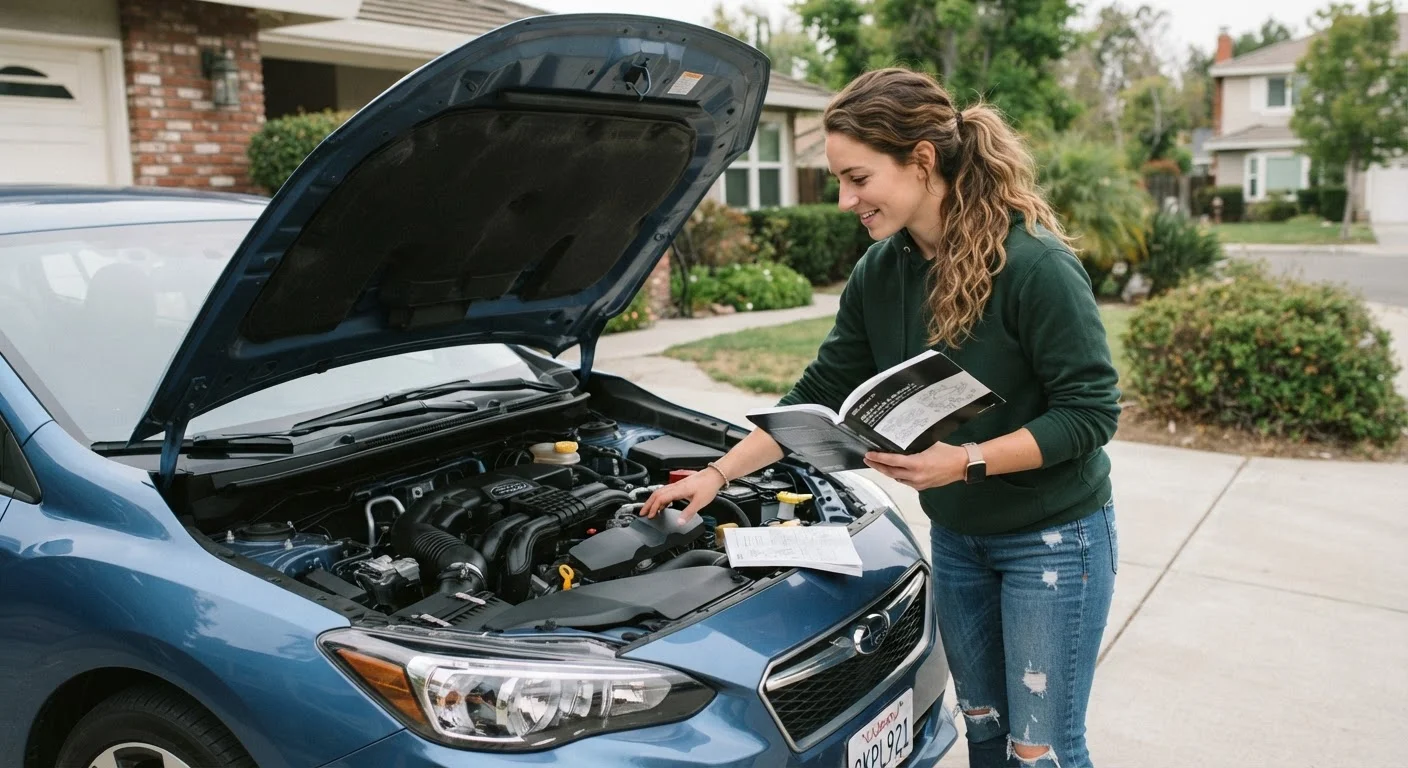
Warning light icons are largely standardized, but small variations exist between makes and model years. Your owner's manual contains the exact icons for your vehicle along with the manufacturer's recommended response for each. If you've lost your physical copy, most manufacturers make digital versions available through their official websites. Keeping a digital copy saved on your phone means you always have it when you need it most.
What To Do When a Light Comes On
Follow this straightforward response framework:
- Identify the color. Red means stop or act now; amber means address it soon.
- Check your owner's manual. Every car ships with one - digital copies are often available on the manufacturer's website if you've misplaced yours.
- Don't layer problems. If you top off oil or inflate a tire and the light stays on, the underlying cause hasn't been fixed. Persistent lights after a basic fix need a mechanic's diagnostic scan.
- Keep a record. Note which light appeared, when, and under what driving conditions. This helps a mechanic diagnose the issue faster.
Understanding these signals puts you firmly in control of your car's health and your own safety on the road. For more numbers every driver should know, see stopping distances and following gaps.