What Each Transmission Actually Does
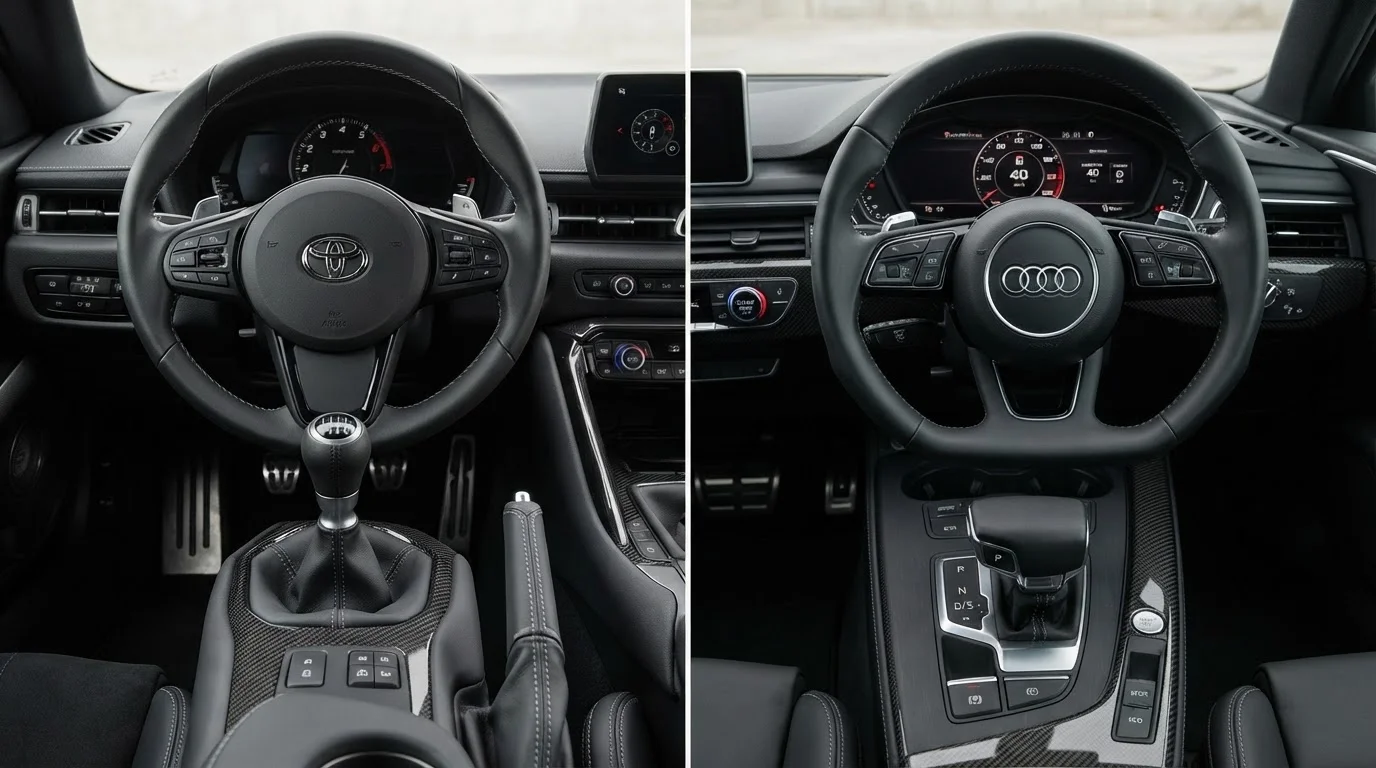
A manual transmission (also called a stick shift) requires the driver to press a clutch pedal and physically select each gear using a gear lever. You decide when to shift based on engine speed, road conditions, and the feel of the car. A automatic transmission does this for you - sensors and software monitor your speed and throttle input, then select the appropriate gear without any action from the driver beyond choosing Drive (D), Park (P), Reverse (R), or Neutral (N).
Understanding this difference is the first step toward knowing how each affects your ability to respond when conditions change. It is not just about convenience - it is about where the control lives: with you or with the car's computer.
| Criterion | Manual Transmission | Automatic Transmission |
|---|---|---|
| Driver effort required | High - clutch and gear selection | Low - throttle and brake only |
| Hill-start control | Requires clutch skill; more precise | Easier; often assisted by hill-hold |
| Engine braking on descents | Easy and direct via downshifting | Possible in manual/L mode; less intuitive |
| Traction control on ice or wet roads | Driver-managed gear selection | Snow/traction modes assist automatically |
| Mental load in heavy traffic | High - constant clutch use | Low - focus on traffic, not gears |
| Learning curve for new drivers | Steeper; coordination takes time | Gentler; faster to build road confidence |
| Motorway long-distance fatigue | Higher physical effort | Lower - no gear changes needed |
Handling Hills: Where the Difference Is Most Felt
Hill starts are one of the most anxiety-inducing situations for new drivers, and your transmission type changes the challenge significantly. In a manual, you must coordinate the clutch, accelerator, and handbrake simultaneously to avoid rolling backward - a skill that takes deliberate practice. Done well, it gives you precise control. Done poorly, it can result in stalling in traffic or rolling into the vehicle behind you.
Automatics remove most of that complexity. Many modern automatics include a hill-hold assist feature, which briefly holds the brakes after you release the brake pedal, giving you time to apply throttle without rolling. For new drivers on steep urban streets, this alone can reduce a significant source of stress and risk.
On descents, however, manual drivers have a meaningful advantage: engine braking. By downshifting to a lower gear, you use the engine's resistance to slow the car without relying entirely on your brakes. This is especially useful on long, steep grades where repeated braking can cause brake fade (a reduction in stopping power due to heat buildup). Automatic drivers can often manually select a lower gear using the gear selector's L or sequential mode, but many don't realize this option exists.
Wet, Icy, and Low-Traction Conditions
On slippery roads, wheel spin - where the driven wheels rotate faster than they grip - is a primary cause of skids. Manual drivers can start in second gear rather than first, reducing the torque sent to the wheels and lowering the chance of spinning them. On ice, experienced manual drivers sometimes hold a higher gear through a corner to maintain smooth, predictable power delivery.
Automatics in older vehicles may downshift aggressively at the wrong moment, briefly spiking torque and contributing to a loss of traction. Modern automatics address this with traction control systems and dedicated Snow or Eco drive modes that limit downshifting and reduce wheel spin automatically. If your automatic has a Snow mode, use it - it makes a measurable difference on slick surfaces.
For a deeper look at adjusting your driving across different weather types, see how to read and respond to changing road conditions.
~13%
New US cars sold with manual transmission
Manual transmissions represent a small and declining share of new vehicle sales in the United States, according to industry data from the mid-2020s.
2nd gear
Recommended starting gear on ice (manual)
Driving instructors and road safety organizations commonly advise starting in second gear on icy or very slippery surfaces to reduce wheel spin.
~3 months
Typical time to gain manual confidence
Driving school data and learner surveys suggest most new manual drivers need two to three months of regular practice before gear changes feel natural.
Traffic, Motorways, and Mental Load
In stop-and-go traffic, a manual driver is constantly working the clutch - potentially hundreds of times per hour. This physical and cognitive load is real, and fatigue increases the likelihood of errors. New drivers are particularly vulnerable because their clutch coordination is not yet automatic, meaning more mental bandwidth is spent on gear mechanics rather than hazard scanning.
Automatics free up significant attention, letting you focus on the road picture: checking mirrors, maintaining safe following distances, and anticipating braking. On fast-moving roads, that attentional resource can be the difference between reacting in time and reacting too late. For guidance on managing motorway driving as a new driver, see motorway driving for the first time.
That said, experienced manual drivers often report that the physical engagement keeps them more alert over long distances - a legitimate counterpoint. The honest answer is that the benefit depends heavily on your current skill level.
Your Transmission and Seasonal Readiness
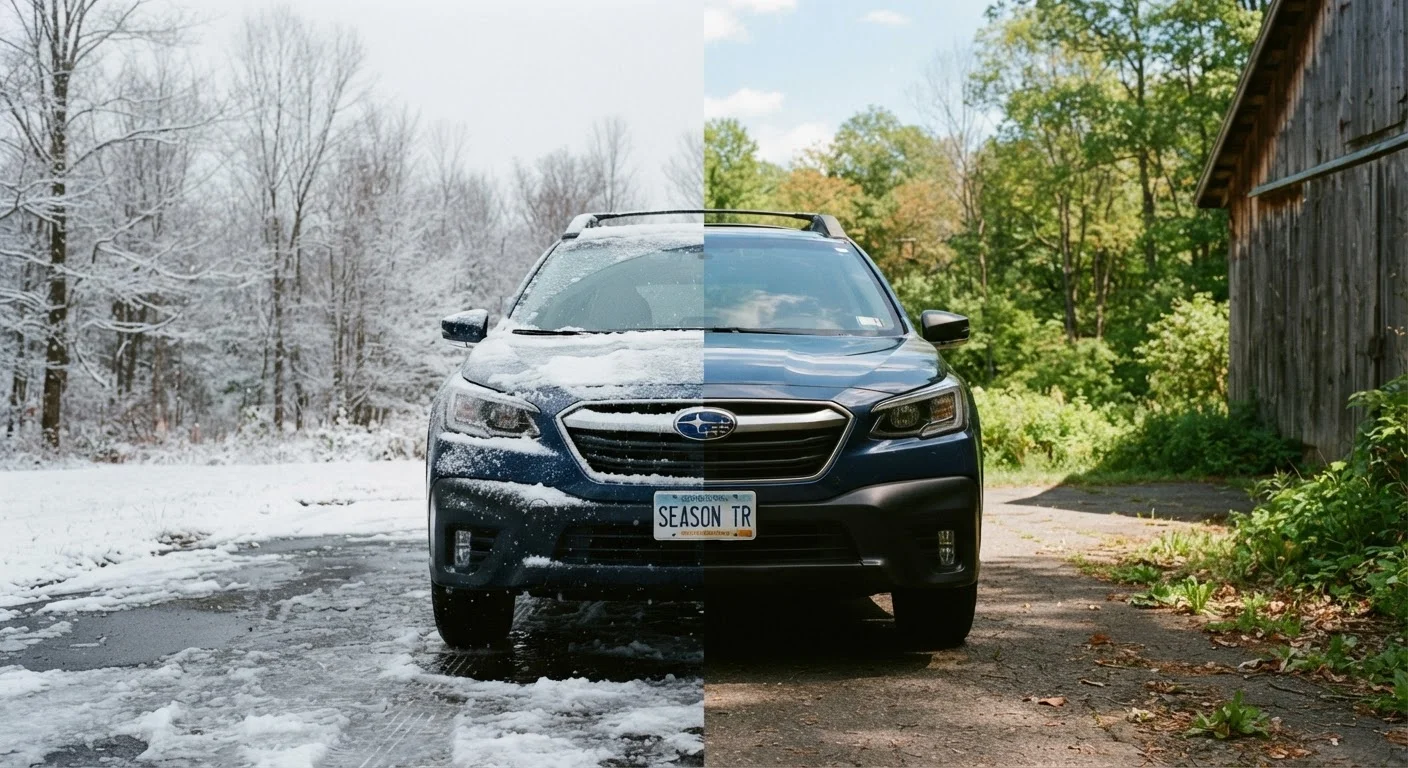
Regardless of whether you drive a manual or automatic, seasonal preparation affects how both transmissions perform. Transmission fluid degrades over time, and cold temperatures can make shifting sluggish in either type. Before winter, it is worth having your vehicle inspected - including fluid levels and transmission condition. See the seasonal car check guide for a practical pre-winter checklist.