What Makes Exercise "Low-Impact"?
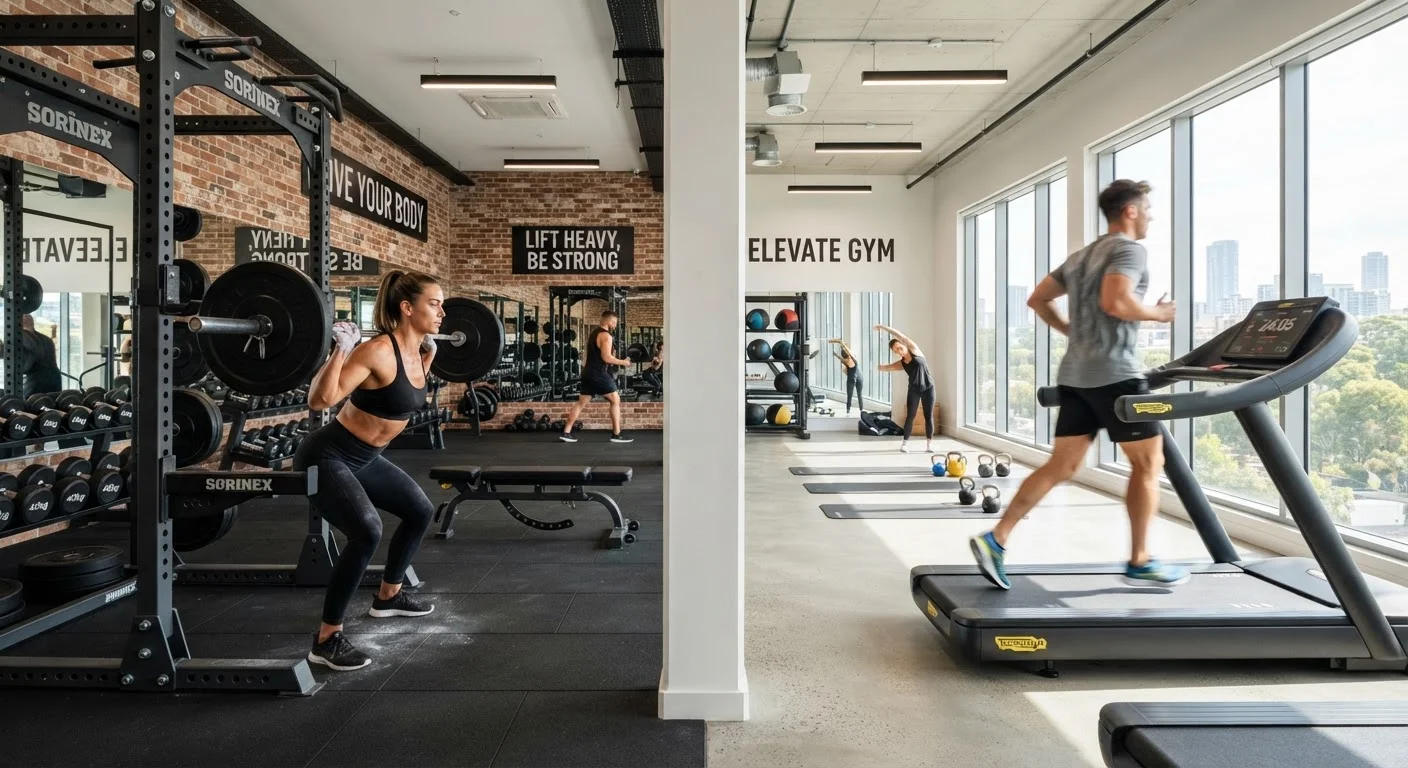
The word "impact" in exercise science has a precise meaning: it describes the force your body absorbs each time it contacts a surface. High-impact activities - think running, jumping jacks, or plyometric drills - involve moments where both feet leave the ground simultaneously, meaning the body must absorb a significant landing force on every rep or stride.
Low-impact exercise eliminates or dramatically reduces those landing forces. At least one foot (or another body part) stays grounded or supported throughout, which keeps joint stress comparatively low. This does not mean the workout is passive. A brisk 45-minute walk, a steady cycling session, or an intense water aerobics class can all be low-impact while still raising your heart rate, engaging muscles, and building real fitness.
Common low-impact activities include:
- Walking - the most accessible starting point for most people
- Swimming and water aerobics - water buoyancy offloads a significant share of body weight
- Cycling (stationary or outdoor) - minimal joint impact, adjustable intensity
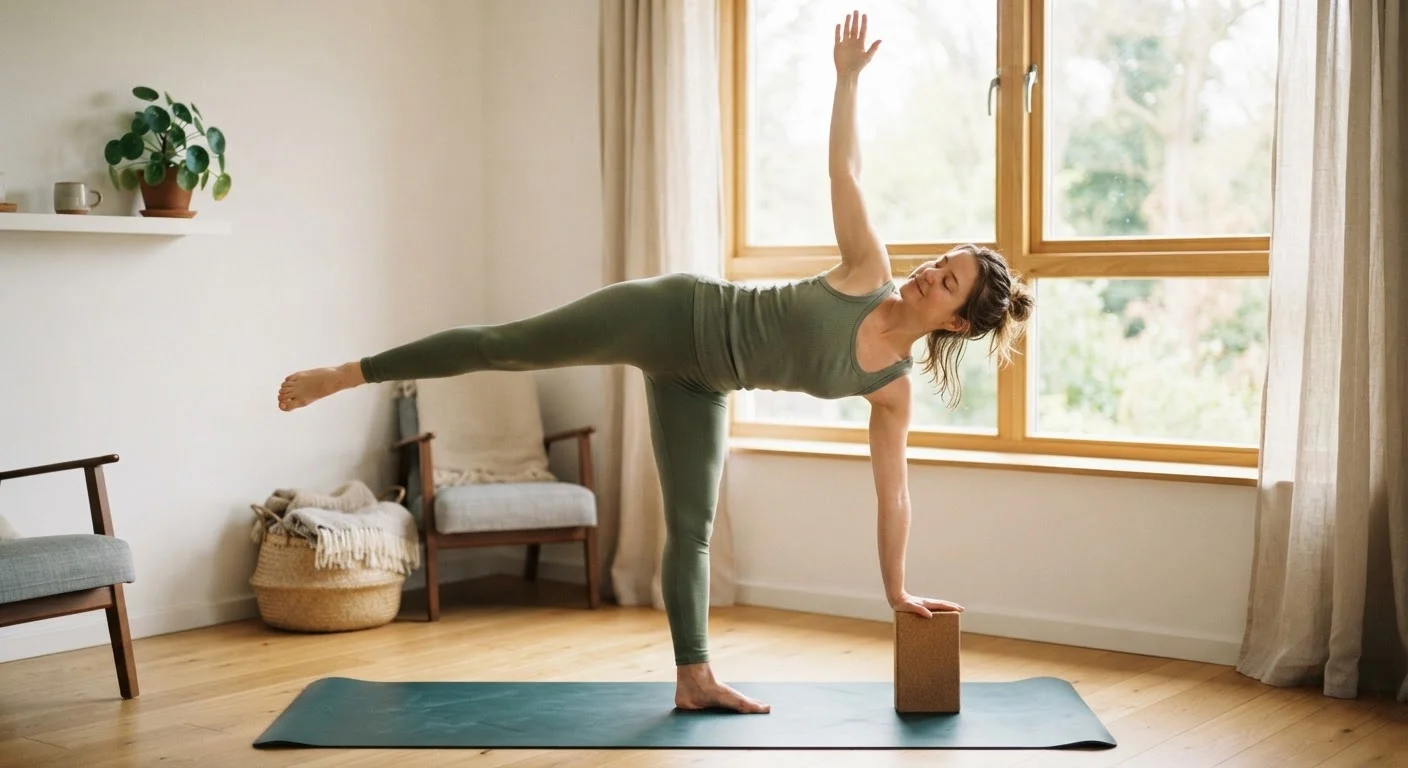
- Yoga and Pilates - emphasise flexibility, core strength, and body awareness
- Elliptical training - simulates a running motion without the impact
- Rowing - a full-body workout with very low joint load
For a broader look at how these movement styles compare to strength training, see what cardio and strength training each do for your body.
Who Benefits Most from Low-Impact Movement?
Low-impact exercise isn't a fallback - it's a strategic tool. Certain groups tend to benefit from it most, though it holds value across the fitness spectrum.
150 min
Recommended weekly moderate aerobic activity
U.S. Department of Health and Human Services Physical Activity Guidelines for Americans recommend at least 150 minutes of moderate-intensity aerobic activity per week for adults.
~2-3×
Body weight force from running impact
Research in biomechanics consistently shows running generates ground reaction forces of approximately 2-3 times body weight per stride, compared to much lower forces in walking and other low-impact activities.
30%
Adults meeting physical activity guidelines
According to the CDC, only around 1 in 4 to 1 in 3 U.S. adults meet the recommended aerobic and muscle-strengthening activity guidelines - suggesting accessible starting points like low-impact exercise matter significantly.
Beginners: Starting with low-impact activity lets your joints, tendons, and connective tissue adapt gradually to regular movement. Jumping into high-impact training too quickly is one of the most common causes of early injury. Low-impact options build a foundation before intensity is added.
People with joint pain or orthopedic conditions: Those managing knee osteoarthritis, hip issues, or recovering from sprains and stress fractures often find high-impact activity aggravates symptoms. Low-impact movement keeps them active without exacerbating the problem. Always consult a healthcare professional if you're exercising around an injury or chronic condition.
Older adults: Bone density and joint resilience naturally change with age, making lower-impact options a practical and sustainable long-term choice.
Pregnant individuals: Many healthcare providers recommend low-impact activity during pregnancy for its benefits to mood, energy, and overall wellbeing - though personal medical guidance is essential here.
Active recovery days: Even experienced athletes use low-impact sessions to stay moving without overtaxing muscles and connective tissue after intense training blocks.
If you're weighing where to do your workouts, home vs. gym training for beginners covers how environment factors into your routine.
How to Fit Low-Impact Exercise Into a Balanced Fitness Plan
One of the most practical decisions you can make as a beginner is treating low-impact exercise not as a temporary measure, but as a permanent feature of a varied fitness plan.
Start Consistent, Then Build Intensity
If you're new to exercise, prioritise showing up regularly over working harder. Three consistent 30-minute low-impact sessions per week will build more lasting fitness than sporadic intense efforts followed by soreness-induced breaks. Once a routine feels sustainable - usually after four to six weeks - you can gradually increase duration or intensity.
A well-rounded weekly routine might look something like this:
- Two to three days of moderate-intensity low-impact cardio (e.g., walking or cycling)
- Two days of resistance-focused movement (body weight exercises, resistance bands, or machines - many of which are also low-impact)
- One or two days of flexibility or mobility work (yoga or stretching)
The exact balance depends on your goals, recovery capacity, and available time. The key insight is that low-impact doesn't mean you're avoiding challenge - it means you're managing load intelligently.
It's also worth noting that form matters just as much in low-impact sessions as in higher-intensity ones. Poor alignment during a yoga flow or cycling with an incorrect seat height can both create problems over time. Common beginner exercise errors are worth knowing before any routine becomes habitual.
For those who enjoy structured settings, low-impact group classes - like aqua aerobics, cycling classes, or yoga - can provide motivation and instruction simultaneously. Whether group exercise suits your style depends on your personality and preferences.
And if you want to situate all of this in a comprehensive starting framework, our complete beginner's guide to fitness and movement covers the full picture from first principles.
This article is for general informational purposes only and does not constitute medical advice. Consult a qualified healthcare professional before beginning any new exercise program, especially if you have an existing health condition, injury, or are pregnant.