The Core Difference: Whose Money Is It?
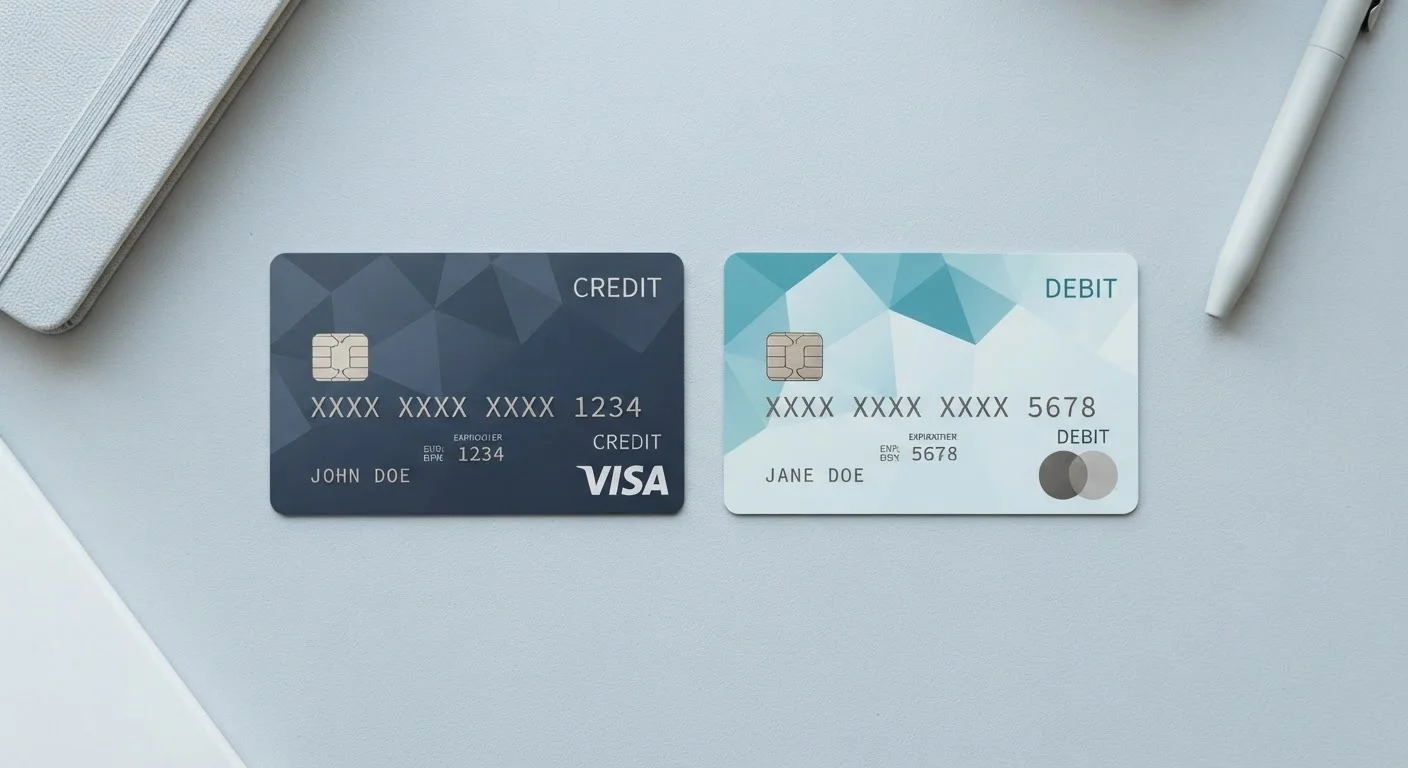
At a glance, credit and debit cards are nearly identical - same size, same card networks, often the same logo. The difference is entirely in the mechanics behind each swipe.
When you use a debit card, the money leaves your checking account almost immediately. You're spending funds you already own. There's no bill to pay afterward, and no lender involved.
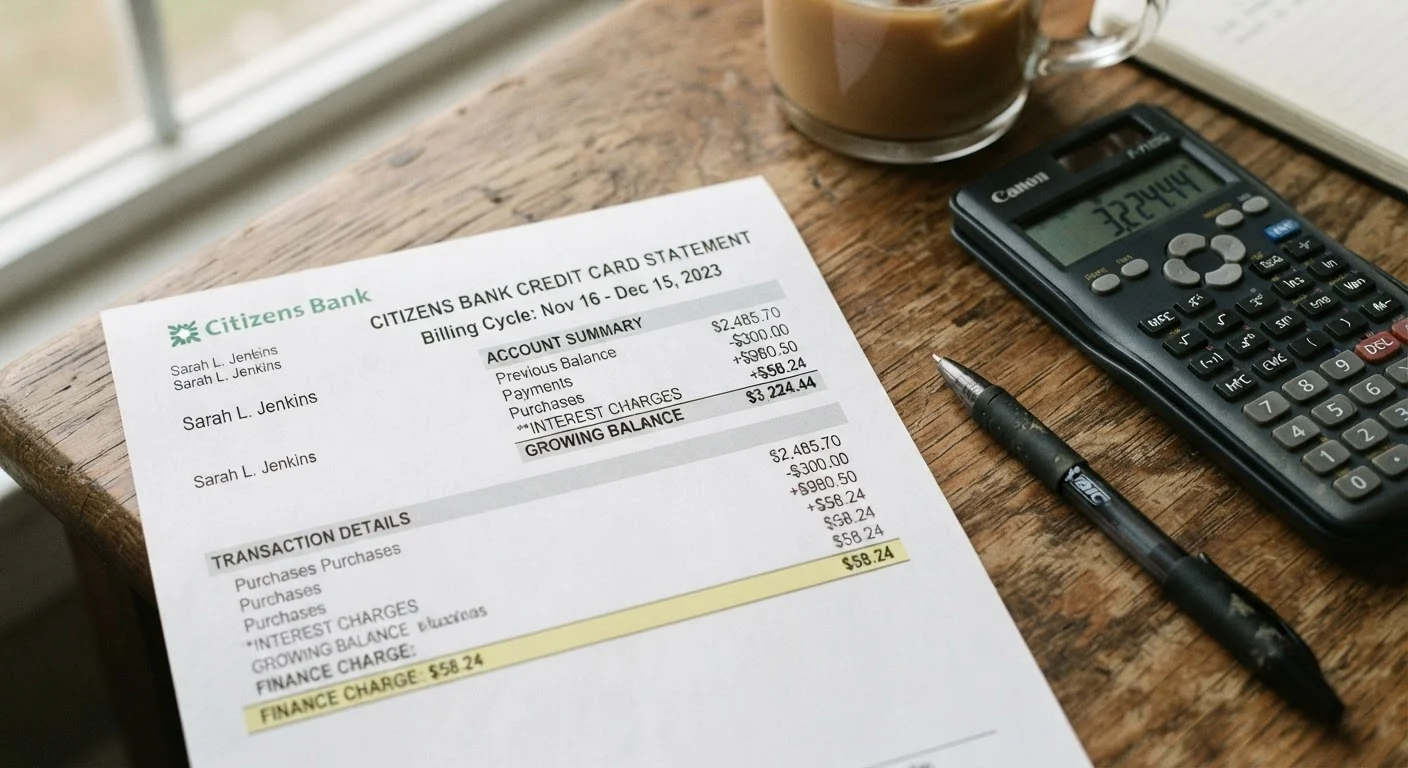
When you use a credit card, you're borrowing from the card issuer up to a pre-approved limit. You receive a monthly statement and must repay at least a minimum amount by a due date. If you pay the full balance before the due date, you typically owe no interest. If you carry a balance - meaning you don't pay in full - the issuer charges interest on the remaining amount. That interest can compound quickly, which is why carrying a credit card balance tends to cost more than many beginners expect.
| Criterion | Credit Card | Debit Card |
|---|---|---|
| Funding source | Borrowed from card issuer | Your own bank account |
| Builds credit score | Yes, when used responsibly | Generally no |
| Risk of debt | Yes, if balance isn't paid in full | No debt risk |
| Fraud liability | Max $50 (often $0 with issuer policy) | Up to $500 if not reported quickly |
| Monthly payment required | Yes - at least the minimum | No |
| Interest charges | Yes, if balance is carried over | None |
| Overdraft risk | No (spending limited to credit limit) | Yes, if account balance is low |
How Each Card Affects Your Credit Score
Your FICO credit score - the number lenders most commonly use to evaluate your creditworthiness - is built from information reported to the three major credit bureaus (Equifax, Experian, and TransUnion). Debit card activity is not reported to these bureaus, so routine debit spending has no direct impact on your score, positive or negative.
Credit cards, however, directly shape your score through two key factors:
- Payment history (roughly 35% of your FICO score): Paying on time every month builds a positive track record. Missing payments damages it.
- Credit utilization (roughly 30%): This is the ratio of your current balance to your total credit limit. Keeping utilization low - generally under 30% - is considered favorable.
Used carefully, a credit card is one of the most practical tools for building credit from scratch. There are also plenty of myths about how this works, so it's worth reviewing common credit score myths before making assumptions.
35%
FICO score weight: payment history
Payment history is the single largest factor in your FICO credit score, according to FICO's publicly published scoring criteria.
$50
Max credit card fraud liability under federal law
The Fair Credit Billing Act caps consumer liability at $50 for unauthorized charges reported promptly; many issuers voluntarily offer zero liability.
30%
Recommended credit utilization ceiling
Credit experts and bureaus commonly cite keeping your utilization ratio below 30% as a guideline for maintaining a healthy credit score.
Fraud Protection: A Critical but Overlooked Difference
Federal consumer protection laws treat credit and debit cards differently when fraud occurs - and the gap matters.
Under the Fair Credit Billing Act (FCBA), credit card holders can dispute unauthorized charges before paying them. Your maximum liability for unauthorized charges is $50, and most major issuers offer zero-liability policies that go further.
Debit cards fall under the Electronic Fund Transfer Act (EFTA), which offers tiered protections tied to how quickly you report the fraud. If you report within two business days, your liability is capped at $50. If you wait between 2 and 60 days, you could be liable for up to $500. Waiting longer can expose you to unlimited liability in some circumstances. Critically, because debit card fraud involves real money already in your account, you may be out of pocket during the investigation period - even if you're ultimately reimbursed.
This distinction is especially relevant for larger purchases or travel. For a deeper look at payment safety on the road, see cash vs. cards abroad.
Choosing Based on Your Habits, Not Just the Benefits
Both card types have legitimate uses - the right fit depends on your current money habits and goals.
If you're working to understand debt more broadly, it helps to first recognize that not all borrowing carries the same risk. Our guide on good debt vs. bad debt explains why context matters when evaluating borrowing decisions. Similarly, if you're weighing whether a credit card or a personal loan better fits a specific need, personal loans vs. credit cards breaks down the key differences in terms, costs, and use cases.
The practical framework is straightforward: if you can commit to paying your credit card balance in full each month and tracking your spending, a credit card offers real advantages - credit building, fraud protection, and often purchase protections. If those habits aren't yet in place, a debit card keeps you grounded in what you actually have. Many people use both: a debit card for everyday discretionary spending and a credit card for larger, planned purchases they know they can pay off promptly.
This article is for general informational and educational purposes only and does not constitute financial advice. Consult a qualified financial professional for guidance specific to your situation.